
Complex genital reconstruction following unsatisfactory previous surgery
Revision surgery and treatment of post-surgical complications in patients who have undergone previous procedures. An honest, meticulous approach focused on restoring function, anatomy and quality of life.
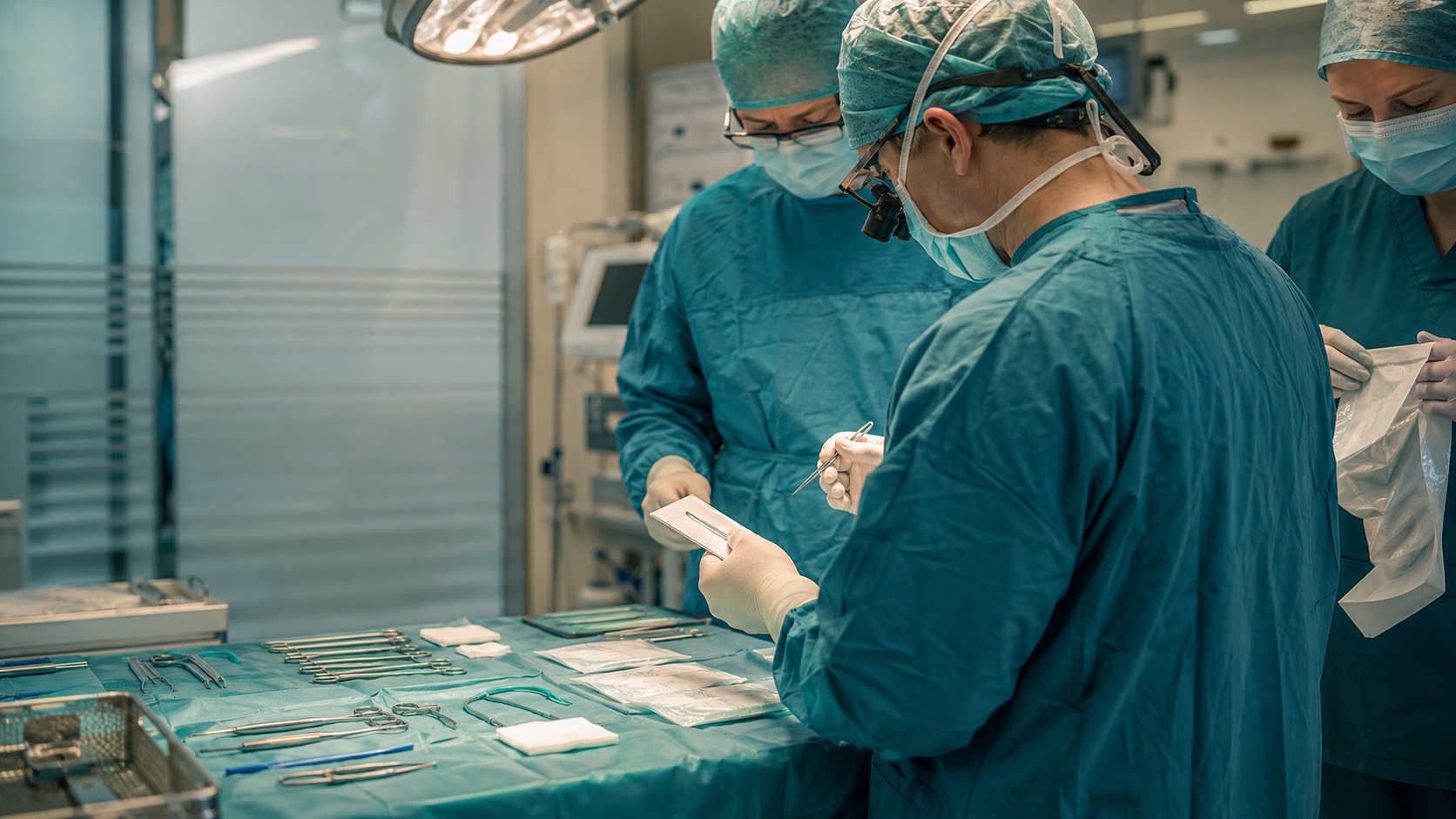
Restoring function following complications
Complex genital reconstruction is an area of reconstructive urology focused on treating complications, long-term effects and unsatisfactory outcomes following previous genital surgery, as well as injuries caused by trauma, infection or cancer treatment. Each procedure is individually planned and requires specialist experience, meticulous preparation and, in some cases, robotic or microsurgical techniques.
Revision of gender-affirming surgery
Vaginal canal stenosis, loss of depth, and aesthetic or functional concerns following vaginoplasty performed elsewhere. Treatment options may include robotic peritoneal flap vaginoplasty as a salvage procedure.
Fistulae and post-surgical complications
Urogenital fistulae, scar contracture and complications following previous genital or urethral procedures that affect urination, sexual function or everyday comfort.
Complex urethral strictures
Recurrent or previously operated urethral strictures requiring urethroplasty with advanced reconstructive techniques to restore normal urination.
Trauma, infection and cancer treatment
Genital reconstruction following trauma, severe infection or cancer surgery, with the aim of restoring anatomy and function as fully as possible.
Complex cases require a plan, not improvisation
Specific expertise in revision surgery
Patients who have undergone multiple previous procedures require particular reconstructive expertise. Dr Etcheverry combines highly complex reconstructive surgery at Bellvitge University Hospital with advanced training in robotic reconstruction at NYU Langone in New York, an internationally recognised centre for urogenital salvage surgery.
Every case is assessed honestly: what can be improved, what cannot, and the safest way to proceed.
Common questions about revision surgery
Brief answers to provide initial guidance. Complex cases require a particularly detailed individual medical assessment.
Do you accept patients who had surgery at another centre or in another country?
Yes. A significant part of reconstructive practice involves patients who previously underwent surgery elsewhere in Spain or abroad and are seeking treatment for complications or an improved outcome.
How long should I wait before revision surgery?
This depends on the previous procedure and the condition of the tissues. It is generally advisable to wait until healing and scar maturation are complete. The optimal timing is determined during individual assessment.
What role does robotic surgery play in revision procedures?
In selected cases, the Da Vinci system provides precise, minimally invasive access to deep anatomical planes. One example is robotic peritoneal flap vaginoplasty as a salvage procedure to restore vaginal depth.
Which documents should I provide for the initial consultation?
Ideally, previous operative notes, discharge summaries, diagnostic imaging and any related medical records. If some documents are unavailable, the team will advise you on how to request them or which investigations may be required.
Can the outcome of previous surgery always be improved?
Not always, and being honest about this is an essential part of care. The assessment will explain which improvements may realistically be achieved, the proposed technique and the associated risks, so that you can make a fully informed decision.
Do you see international patients for revision surgery?
Yes. The initial assessment can take place remotely using your medical records. Planning then includes the recommended stay in Barcelona for surgery and the first in-person reviews.
Your complex case deserves an expert second opinion
If you are living with complications from previous surgery or have been told that no further treatment is possible, a specialist reconstructive assessment may identify options you have not yet considered.
Message us on WhatsApp
Tell us about your situation. The team will explain which reports are required and arrange an in-person or remote assessment.