
Robotic urinary tract reconstructive surgery
Pyeloplasty, ureteric reconstruction, complex urinary fistulae, complications following cancer surgery or radiotherapy, and urinary tract reconstruction in kidney transplantation. A highly specialised field practised by very few teams in Europe.
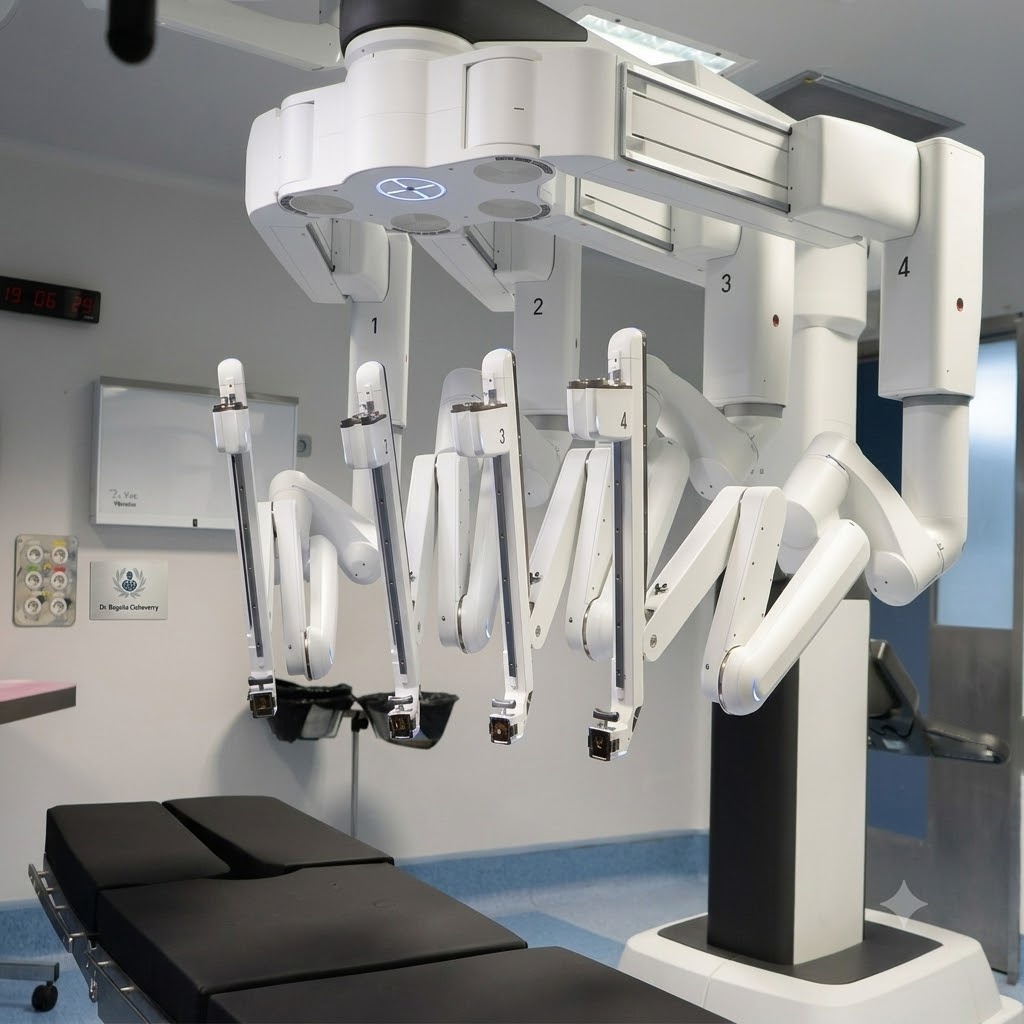
Reconstructing the urinary tract with millimetre-level precision
Robotic urinary tract reconstructive surgery uses the Da Vinci system to repair obstruction, injury and fistulae affecting the kidneys, ureters and bladder. Magnified vision and precise robotic movements allow structures only a few millimetres wide to be reconstructed through a minimally invasive approach, helping preserve kidney function and, in many cases, avoiding major open surgery.
Obstruction at the kidney outlet
The most common reason for referral is pelvi-ureteric junction obstruction (PUJO), which prevents urine from draining normally from the kidney.
Ureteric stricture or injury
These are usually complications of radiotherapy, previous surgery or trauma. Treatment depends on the location, length and cause of the injury; there is no single technique suitable for every case.
Each reconstruction is planned individually according to the site and extent of the ureteric damage. Advanced techniques using flaps, grafts and complex reconstruction can repair most injuries while preserving kidney function.
When the bladder can no longer function effectively
Fistulae and involvement of the posterior urethra or bladder neck
A multidisciplinary approach allows particularly difficult complications to be treated by combining urological reconstruction with plastic surgery techniques, such as the use of a gracilis muscle flap in vesicovaginal fistula repair.
A highly experienced team for the most complex cases, with plastic surgery colleagues involved when reconstruction requires muscle flaps.
Meet the teamRobotic reconstruction in kidney transplantation
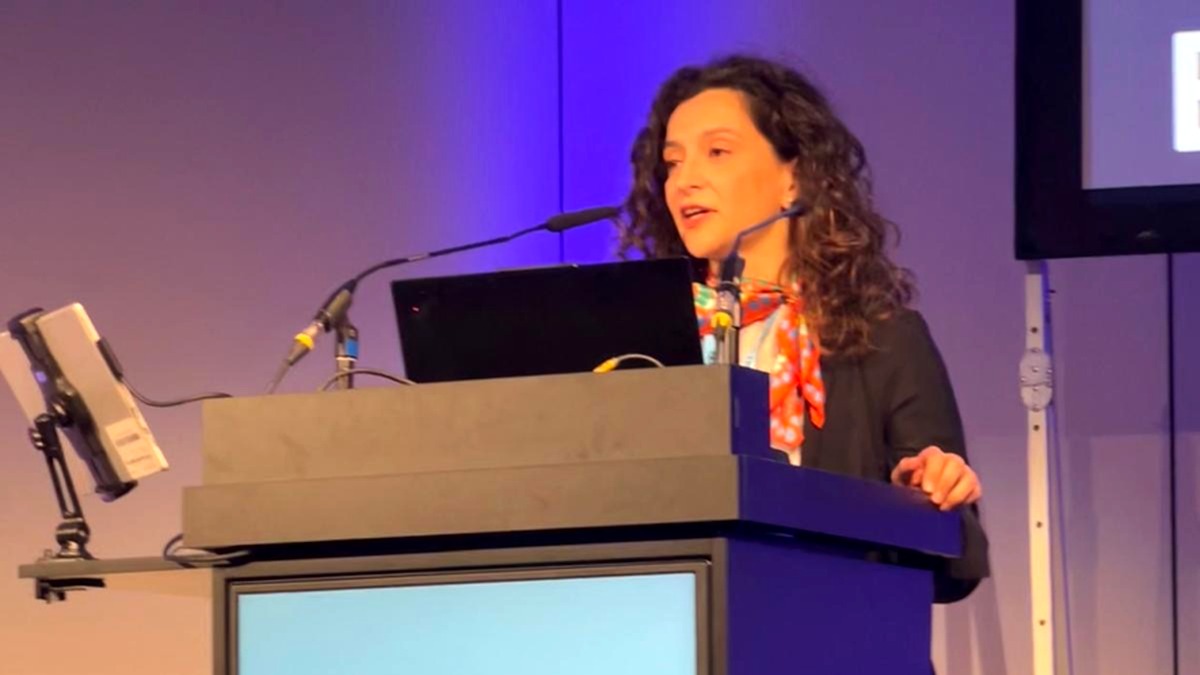
Operating on the urinary tract of a transplanted kidney is among the most demanding forms of reconstructive surgery, involving fragile tissue, altered anatomy and an exceptionally small margin for error. Dr Etcheverry’s doctoral research focuses on this field, which she practises within one of Europe’s largest kidney transplant programmes at Bellvitge University Hospital.
Common questions about urinary tract reconstruction
Brief answers to provide initial guidance. These complex cases always require an individual assessment of medical reports and diagnostic imaging.
My ureter was injured during another operation. Can it be repaired?
In most cases, yes. Iatrogenic ureteric injuries can be repaired using techniques ranging from ureteric reimplantation to a Boari flap or renal autotransplantation, depending on the location and length of the injury. Specialist assessment should take place as early as possible.
Can a vesicovaginal fistula be repaired permanently?
Well-planned surgical repair has high success rates, including for recurrent fistulae following previous attempts. In the most complex cases, robotic urological reconstruction may be combined with plastic surgery techniques using muscle flaps.
What are the benefits of robotic surgery compared with open surgery?
Robotic surgery uses smaller incisions and is associated with less pain and blood loss, earlier discharge and faster recovery. It also enables highly precise suturing of structures only a few millimetres wide, which is particularly important in urinary tract reconstruction.
I developed urinary problems after radiotherapy. Can these be treated surgically?
Irradiated tissues present a particularly complex reconstructive challenge, but specialist techniques are available. Each case is assessed individually to identify the safest strategy, including urinary diversion when direct reconstruction is not feasible.
I have a transplant ureteric stricture. Can this be treated?
Yes. Reconstruction of the urinary tract following kidney transplantation is one of Dr Etcheverry’s specialist areas. The robotic approach is planned with the aim of preserving the function of the transplanted kidney.
Can I send my records for a remote second opinion?
Yes. You can submit medical reports, diagnostic imaging and details of previous surgery for an initial remote assessment. If surgery is appropriate, the procedure and your stay in Barcelona can then be planned.
Complex cases are our area of expertise
If you have been told that your urinary tract injury cannot be repaired or that losing the kidney is the only option, a specialist reconstructive assessment may identify another approach.
Message us on WhatsApp
Tell us about your case. The team will explain which reports and investigations are required and arrange an in-person or remote assessment.