
Gender-affirming surgery with precision and respect
Vaginoplasty, robotic peritoneal flap vaginoplasty and revision surgery for trans women and transfeminine people, with compassionate support at every stage.

Surgery that aligns the body with a person’s gender identity
Gender-affirming surgery refers to surgical procedures that align a person’s genital anatomy with their gender identity. For trans women and transfeminine people, the principal procedure is vaginoplasty: the surgical creation of a vulva and vaginal canal, with aesthetic, functional and sensory goals.
Perineal vaginoplasty (penile inversion)
An internationally established technique that uses existing genital skin to create the neovagina and vulva, aiming for a natural appearance, preserved sensation and functional depth.
Robotic peritoneal flap vaginoplasty
Uses peritoneal tissue through robotic surgery to create or restore vaginal depth. It can be particularly valuable when limited genital skin is available or in revision surgery.
Revision and corrective surgery
Assessment and revision of previous surgical outcomes, including stenosis, loss of depth, aesthetic or functional concerns, and complications following procedures performed elsewhere. This includes feminising genitoplasty and genital reconstructive surgery.
A clear, carefully planned and supported process
Usual requirements before surgery
- Being of legal age and able to provide informed consent.
- Supporting reports in accordance with the WPATH Standards of Care, Version 8.
- Stable general health and a complete pre-operative assessment.
- Usual hormone therapy is continued during the hospital stay. Anti-androgens alone are discontinued because an orchidectomy forms part of the procedure.
- Assessment of the need for pre-operative genital hair removal, depending on the technique.
- Smoking cessation and a recommended BMI below 30, as higher values are associated with an increased risk of graft-related complications.
What recovery involves
- An inpatient stay of several days under the care of the surgical team.
- Strict bed rest during the initial hospital stay. Once the dressings and vaginal stent are removed, relative rest begins, followed by a gradual return to normal activities.
- A planned and supervised vaginal dilation schedule, which is essential to maintaining the surgical result.
- Regular reviews, either in person or remotely for international patients.
A highly experienced team supports you throughout. Specialist nurses guide vaginal dilation and post-operative care, with plastic surgery colleagues involved where appropriate.
Meet the teamEuropean pioneers in robotic peritoneal flap vaginoplasty
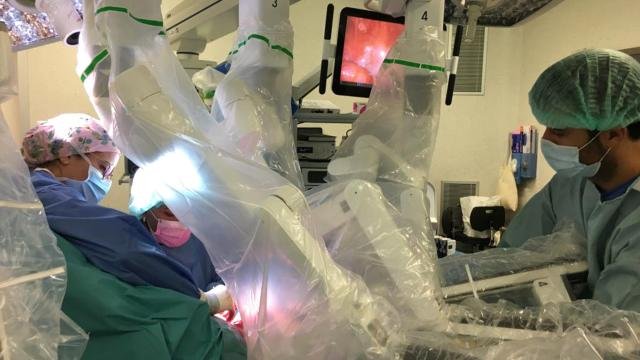
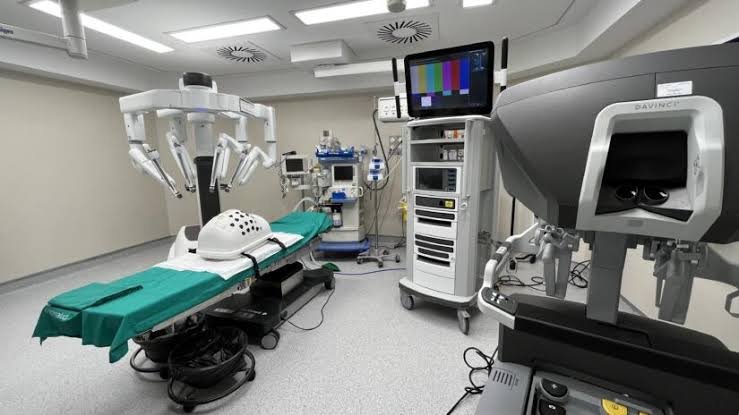
Dr Etcheverry helped introduce robotic peritoneal flap vaginoplasty at Bellvitge University Hospital, where Europe’s first procedure was performed in February 2022. The Intuitive Da Vinci system provides magnified vision and highly precise movements within a particularly delicate surgical field.
Care designed for international patients
Remote pre-operative assessment, review of medical reports, date planning, surgery in Barcelona and online follow-up. The team will advise you on the recommended length of stay and coordinate every stage of your care.
Common questions about gender-affirming surgery
Brief answers to provide initial guidance. Advice specific to your circumstances will always be given during an individual medical assessment.
What does vaginoplasty involve?
Vaginoplasty involves the surgical creation of the vulva —including the labia, a clitoris created from glans tissue and the urethral opening— and the vaginal canal, with aesthetic, functional and sensory goals. The most appropriate technique is determined during assessment according to each patient’s anatomy and goals.
When may robotic peritoneal flap vaginoplasty be recommended?
It may be recommended when limited genital skin is available, including in patients who received puberty blockers, or during revision surgery to restore vaginal depth. Robotic surgery allows the peritoneum to be mobilised with a high degree of precision.
What requirements must I meet before surgery?
As a general guide, patients must be of legal age, provide supporting reports in accordance with WPATH SOC 8, be in stable health and complete a pre-operative assessment. Your individual requirements will be reviewed and explained during the initial consultation.
How long should I stay in Barcelona if I am travelling from abroad?
This depends on the surgical technique and your recovery. During planning, we will explain the recommended length of stay for surgery, hospital admission and the first in-person reviews. Subsequent follow-up can continue remotely.
Will surgery affect sensation and sexual function?
Preserving sensation, particularly in the neoclitoris, is one of the central goals of surgery. Sexual function recovers gradually and is assessed as part of post-operative follow-up.
How do I begin the process?
Contact us on WhatsApp. Dr Etcheverry personally coordinates an initial in-person or remote assessment, reviews your medical reports and explains the full plan, including preparation, surgery, recovery and costs.
Will I need genital laser hair removal before surgery?
This depends on the technique. Skin used to form the vaginal canal must not contain active hair follicles, so hair removal from the donor area is usually recommended before perineal vaginoplasty. During your assessment, you will be told exactly which area requires treatment, how far in advance it should begin and which method to use.
Does the neovagina lubricate naturally?
Natural lubrication is limited. The peritoneal flap forms approximately one third of the vaginal canal, while the remaining two thirds consist of skin, including grafted skin, which does not lubricate itself. For this reason, lubricant is always recommended during sexual activity, as it is for many cisgender women.
Is there a weight or BMI limit for surgery?
There is no single universal cut-off. However, smoking cessation and a BMI below 30 are required, as graft-related complications become more common above this level. Weight is assessed alongside your overall health. If your BMI is higher, the assessment will focus on agreeing a realistic plan before surgery rather than automatically declining treatment.
Discuss your options in a calm, no-obligation consultation
Every gender-affirming care pathway is different. During your first conversation, we will answer your questions, review your circumstances and explain the process with clarity and respect.
Message us on WhatsApp
Our team will advise you about the assessment, required medical reports, available dates and arrangements for travelling to Barcelona.